Buy validcc.eu ?
We are moving the project
validcc.eu .
Are you interested in purchasing the domain
validcc.eu ?
domain@kv-gmbh.de · 0541-91531010
Buy validcc.eu ?
Are whole numbers also decimal numbers?
No, whole numbers are not considered decimal numbers. Whole numbers are integers that do not have any fractional or decimal parts, while decimal numbers include a decimal point and can have fractional parts. For example, the whole number 5 is not a decimal number, but the decimal number 5.0 includes a decimal point and is considered a decimal number. **
Can fractions be whole numbers?
No, fractions cannot be whole numbers. Whole numbers are integers that are not fractions or decimals, such as 0, 1, 2, 3, etc. Fractions, on the other hand, represent parts of a whole and are written in the form of a numerator over a denominator (e.g. 1/2, 3/4). While whole numbers can be represented as fractions (e.g. 2 can be written as 2/1), fractions themselves are not considered whole numbers. **


Similar search terms for ISpring-WGB22B-ED2000-Whole
Top-Angebote
Products related to ISpring-WGB22B-ED2000-Whole:
-
iSpring WGB22B-PF Whole House Water Filter System Removes Chlorine, Sediment, Rust, Odor, SGS-Tested Reducing up to 99% of PFASAdvanced PFAS Filtration: Equipped with an upgraded PFAS water filter (FC25B-PF) in stage two, this SGS-tested filter media effectively reduces up to 99% of PFAS, including PFOA and PFOS Comprehensive Sediment Protection: The stage one sediment...593,99 $*Shipping: 0,00 $Secure redirect to the provider




-
What are 6 whole numbers?
Whole numbers are numbers that are not fractions or decimals, and they include all positive integers as well as zero. Six examples of whole numbers are 0, 1, 2, 3, 4, and 5. These numbers are all non-negative and do not have any fractional or decimal components. **
-
Are there more whole numbers than natural numbers?
No, there are not more whole numbers than natural numbers. Both sets of numbers are infinite, but the set of natural numbers (1, 2, 3, 4, ...) is a subset of the set of whole numbers (0, 1, 2, 3, 4, ...). This means that the set of whole numbers includes the natural numbers, so there are actually more whole numbers than natural numbers. **
-
Can whole numbers have a decimal point?
No, whole numbers cannot have a decimal point. Whole numbers are defined as non-negative integers, and they do not include any fractional or decimal parts. A decimal point is used to separate the whole number part from the fractional part in a decimal number, so whole numbers by definition do not have a decimal point. **
-
What is the derivative of whole numbers?
The derivative of a whole number is zero. This is because the derivative measures the rate of change of a function, and whole numbers do not change with respect to the independent variable. Therefore, the derivative of a constant, such as a whole number, is always zero. **

How does division with whole numbers work?
Division with whole numbers involves splitting a number into equal parts. For example, when dividing 10 by 2, you are essentially finding out how many times 2 can fit into 10. The result of this division is called the quotient. If the division is not exact, there may be a remainder left over. Division can also be thought of as the inverse operation of multiplication, where you are essentially undoing the multiplication process to find the original number. **
What is the difference between decimal numbers and whole numbers?
Decimal numbers include a decimal point and can represent both whole numbers and fractions. Whole numbers, on the other hand, are a subset of decimal numbers and do not include any fractions or decimal points. Whole numbers are the numbers 0, 1, 2, 3, and so on, while decimal numbers can include numbers like 1.5, 3.75, and so on. In summary, all whole numbers are decimal numbers, but not all decimal numbers are whole numbers. **
Top-Angebote
Products related to ISpring-WGB22B-ED2000-Whole:
-
iSpring WGB22B ED2000 Whole House Water Filter and Electronic Water Descaler Bundle - WGB22B+ED2000Chlorine Removal& Taste Improvement – The WGB22B features a premium coconut shell carbon block filter that removes up to 99% of chlorine, improving water taste and odor throughout your home.595,99 $*Shipping: 0,00 $Secure redirect to the provider
-
iSpring WGB22B-PFKS Whole House Water Filter System for PFAS, Heavy Metal, Chlorine, Hydrogen Sulfide, Odor, Taste, SGS-TestedEffective PFAS Removal – The first-stage of this water filter whole house contains SGS-tested media to remove up to 99% of PFAS (Per- and Polyfluoroalkyl Substances), a rising concern in U.S. municipal water.577,07 $*Shipping: 0,00 $Secure redirect to the provider
-
iSpring WGB22B-PF Whole House Water Filter System Removes Chlorine, Sediment, Rust, Odor, SGS-Tested Reducing up to 99% of PFASAdvanced PFAS Filtration: Equipped with an upgraded PFAS water filter (FC25B-PF) in stage two, this SGS-tested filter media effectively reduces up to 99% of PFAS, including PFOA and PFOS Comprehensive Sediment Protection: The stage one sediment...593,99 $*Shipping: 0,00 $Secure redirect to the provider
-
Are whole numbers also decimal numbers?
No, whole numbers are not considered decimal numbers. Whole numbers are integers that do not have any fractional or decimal parts, while decimal numbers include a decimal point and can have fractional parts. For example, the whole number 5 is not a decimal number, but the decimal number 5.0 includes a decimal point and is considered a decimal number. **
-
Can fractions be whole numbers?
No, fractions cannot be whole numbers. Whole numbers are integers that are not fractions or decimals, such as 0, 1, 2, 3, etc. Fractions, on the other hand, represent parts of a whole and are written in the form of a numerator over a denominator (e.g. 1/2, 3/4). While whole numbers can be represented as fractions (e.g. 2 can be written as 2/1), fractions themselves are not considered whole numbers. **
-
What are 6 whole numbers?
Whole numbers are numbers that are not fractions or decimals, and they include all positive integers as well as zero. Six examples of whole numbers are 0, 1, 2, 3, 4, and 5. These numbers are all non-negative and do not have any fractional or decimal components. **
-
Are there more whole numbers than natural numbers?
No, there are not more whole numbers than natural numbers. Both sets of numbers are infinite, but the set of natural numbers (1, 2, 3, 4, ...) is a subset of the set of whole numbers (0, 1, 2, 3, 4, ...). This means that the set of whole numbers includes the natural numbers, so there are actually more whole numbers than natural numbers. **
Similar search terms for ISpring-WGB22B-ED2000-Whole
-
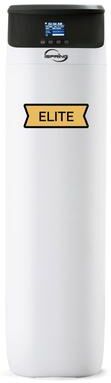
iSpring WCS50KG Elite Series Whole House Water SoftenerCompact design for space-saving installation: The one-tank compact design of the iSpring WCS50KG whole house water softener helps save valuable space in your home, making it easier to install in tight or limited areas.1858,49 $*Shipping: 0,00 $Secure redirect to the provider
-
Can whole numbers have a decimal point?
No, whole numbers cannot have a decimal point. Whole numbers are defined as non-negative integers, and they do not include any fractional or decimal parts. A decimal point is used to separate the whole number part from the fractional part in a decimal number, so whole numbers by definition do not have a decimal point. **
-
What is the derivative of whole numbers?
The derivative of a whole number is zero. This is because the derivative measures the rate of change of a function, and whole numbers do not change with respect to the independent variable. Therefore, the derivative of a constant, such as a whole number, is always zero. **
-
How does division with whole numbers work?
Division with whole numbers involves splitting a number into equal parts. For example, when dividing 10 by 2, you are essentially finding out how many times 2 can fit into 10. The result of this division is called the quotient. If the division is not exact, there may be a remainder left over. Division can also be thought of as the inverse operation of multiplication, where you are essentially undoing the multiplication process to find the original number. **
-
What is the difference between decimal numbers and whole numbers?
Decimal numbers include a decimal point and can represent both whole numbers and fractions. Whole numbers, on the other hand, are a subset of decimal numbers and do not include any fractions or decimal points. Whole numbers are the numbers 0, 1, 2, 3, and so on, while decimal numbers can include numbers like 1.5, 3.75, and so on. In summary, all whole numbers are decimal numbers, but not all decimal numbers are whole numbers. **
* All prices are inclusive of VAT and, if applicable, plus shipping costs. The offer information is based on the details provided by the respective shop and is updated through automated processes. Real-time updates do not occur, so deviations can occur in individual cases. ** Note: Parts of this content were created by AI.