Buy validcc.eu ?
We are moving the project
validcc.eu .
Are you interested in purchasing the domain
validcc.eu ?
domain@kv-gmbh.de · 0541-91531010
Buy validcc.eu ?
Should I replace this radiator hose?
If the radiator hose is showing signs of wear such as cracks, bulges, or leaks, then it is recommended to replace it. A damaged radiator hose can lead to coolant leaks, overheating of the engine, and potential engine damage. It is better to replace the hose preventatively rather than risk a breakdown or more costly repairs in the future. If you are unsure about the condition of the hose, it is best to have a mechanic inspect it for you. **
Why did the radiator hose burst?
The radiator hose likely burst due to a combination of factors such as age, wear and tear, and high pressure. Over time, the rubber in the hose can degrade and become more prone to cracking and bursting. Additionally, if the cooling system is not properly maintained and the coolant levels are not regularly checked, it can lead to overheating and increased pressure within the hose, causing it to burst. It's important to regularly inspect and replace radiator hoses to prevent unexpected failures. **


Similar search terms for VAICO-V40-2533-Radiator-hose
Top-Angebote
Products related to VAICO-V40-2533-Radiator-hose:
-
VAICO V40-1335 Radiator hoseCooling Hose: from connecting pipe to engine cooler; Cooling Hose: from thermostat to radiator; Fitting Position: Upper; Vehicle Equipment: for vehicles with front and rear air conditioning; Vehicle Equipment: for vehicles with air conditioning; Weight [kg]: 0,139; Packaging width [cm]: 4; Packaging height [cm]: 4; Packaging Depth [cm]: 18; Supplementary Info: Q+, original equipment manufacturer quality; Construction Year to: 07/2001, 12/1996, 08/19986,59 £*Shipping: 8,45 £Secure redirect to the provider
-
VAICO V40-1343 Radiator hoseFitting Position: Upper; Cooling Hose: from connecting pipe to engine cooler; Cooling Hose: from engine to engine cooler; Weight [kg]: 0,125; Packaging width [cm]: 8,8; Packaging height [cm]: 4,5; Packaging Depth [cm]: 18,5; Supplementary Info: Original VAICO Quality; Construction Year from: 11/2003, 08/2003, 10/2004; Construction Year to: 07/2004, 06/2004, 09/2006, 06/2006, 12/2005, 01/2011, 12/2012; Vehicle type: Van11,99 £*Shipping: 8,45 £Secure redirect to the provider
-
VAICO V40-1349 Radiator hoseCooling Hose: from connecting pipe to heater valve; Cooling Hose: from engine to heat exchanger; Weight [kg]: 0,075; Packaging width [cm]: 7; Packaging height [cm]: 2,8; Packaging Depth [cm]: 19; Supplementary Info: Original VAICO Quality; Construction Year to: 05/1997, 08/19985,29 £*Shipping: 8,45 £Secure redirect to the provider
-
VAICO V40-1351 Radiator hoseCooling Hose: from coupling piece to heat exchanger; Cooling Hose: from heat exchanger to water pipe, from engine to heat exchanger; for OE number: 68 18 482; Weight [kg]: 0,25; Packaging width [cm]: 26; Packaging height [cm]: 7; Packaging Depth [cm]: 34; Supplementary Info: Original VAICO Quality; TecDoc Engine Number: 4820, 16394, 14923, 2733, 14920, 17589, 17631, 17590, 17937; Construction Year to: 01/2004, 03/200442,99 £*Shipping: 8,45 £Secure redirect to the provider


-
Is 2533 Mbits a lot?
2533 Mbits is a significant amount of data, especially when compared to typical internet speeds. For example, the average internet speed in the United States is around 124 Mbits per second. Therefore, 2533 Mbits would be considered a large amount of data, capable of handling high-bandwidth activities such as streaming 4K video, online gaming, and large file downloads. **
-
"Is the radiator hose torn and leaking at the clamp?"
To determine if the radiator hose is torn and leaking at the clamp, you should visually inspect the hose for any visible tears or damage. Additionally, you can check for any signs of coolant leakage around the clamp area. If there is evidence of a tear or leak, it is important to address the issue promptly to prevent further damage to the cooling system. It may be necessary to replace the hose or tighten the clamp to resolve the issue. **
-
Is the Volvo V40 D3 okay?
The Volvo V40 D3 is generally considered a good car. It offers a comfortable ride, good fuel efficiency, and a stylish design. However, like any vehicle, it may have its own set of pros and cons depending on individual preferences and needs. It's recommended to test drive the car and research further to determine if it meets your specific requirements. **
-
I need information about radiator pipes.
Radiator pipes are an essential part of a heating system, as they carry hot water from the boiler to the radiators, and then return the cooled water back to the boiler for reheating. These pipes are typically made of copper, steel, or plastic, and come in various sizes to accommodate different heating systems. It's important to ensure that the pipes are properly insulated to prevent heat loss and improve the efficiency of the heating system. Additionally, regular maintenance and inspection of the pipes is crucial to identify and address any leaks or corrosion that may occur over time. **

"Does the Volvo V40 consume too much fuel?"
The fuel consumption of the Volvo V40 can vary depending on the specific model and driving conditions. Generally, the Volvo V40 is known for its fuel efficiency, especially with its range of efficient engines and advanced technology. However, individual driving habits and conditions can also impact fuel consumption. It's important to consider factors such as driving style, maintenance, and road conditions when evaluating fuel efficiency. Overall, the Volvo V40 is considered to be a relatively fuel-efficient vehicle. **
Why is the Volvo V40 not accelerating properly anymore?
There could be several reasons why the Volvo V40 is not accelerating properly. It could be due to a clogged fuel filter, a malfunctioning mass airflow sensor, a faulty throttle position sensor, or issues with the transmission. It is recommended to have the car diagnosed by a professional mechanic to determine the exact cause of the acceleration problem and to get it fixed accordingly. **
Top-Angebote
Products related to VAICO-V40-2533-Radiator-hose:
-
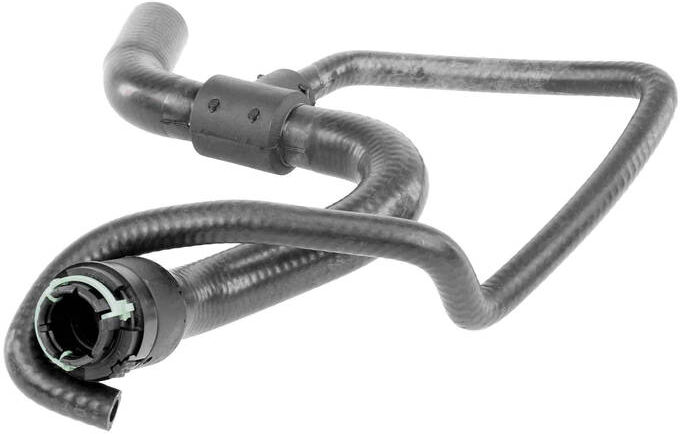
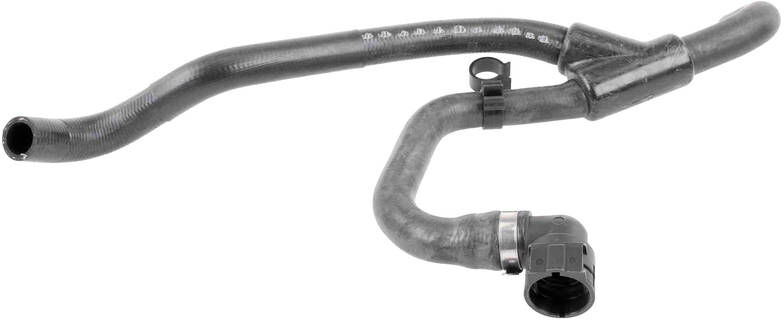
VAICO V40-2533 Radiator hoseMaterial: EPDM (ethylene propylene diene Monomer (M-class) rubber); Colour: black; Hose Length [mm]: 410; Inner Diameter 1 [mm]: 34; Inner Diameter 2 [mm]: 33; Fitting Position: Lower; Transmission Type: Automatic Transmission23,99 £*Shipping: 8,45 £Secure redirect to the provider
-
VAICO V40-0374 Radiator hoseCooling Hose: from connecting pipe to engine cooler; Fitting Position: Upper; Weight [kg]: 0,3; Packaging width [cm]: 10,5; Packaging height [cm]: 12,3; Packaging Depth [cm]: 19,5; Supplementary Info: Original VAICO Quality; Construction Year from: 09/1993, 09/1994, 09/1992, 07/1994, 09/1995, 09/1991; TecDoc Engine Number: 4785, 4819, 16169; Construction Year to: 08/1996, 08/1994, 02/1998, 08/200212,49 £*Shipping: 8,45 £Secure redirect to the provider
-
VAICO V40-1335 Radiator hoseCooling Hose: from connecting pipe to engine cooler; Cooling Hose: from thermostat to radiator; Fitting Position: Upper; Vehicle Equipment: for vehicles with front and rear air conditioning; Vehicle Equipment: for vehicles with air conditioning; Weight [kg]: 0,139; Packaging width [cm]: 4; Packaging height [cm]: 4; Packaging Depth [cm]: 18; Supplementary Info: Q+, original equipment manufacturer quality; Construction Year to: 07/2001, 12/1996, 08/19986,59 £*Shipping: 8,45 £Secure redirect to the provider
-
VAICO V40-1343 Radiator hoseFitting Position: Upper; Cooling Hose: from connecting pipe to engine cooler; Cooling Hose: from engine to engine cooler; Weight [kg]: 0,125; Packaging width [cm]: 8,8; Packaging height [cm]: 4,5; Packaging Depth [cm]: 18,5; Supplementary Info: Original VAICO Quality; Construction Year from: 11/2003, 08/2003, 10/2004; Construction Year to: 07/2004, 06/2004, 09/2006, 06/2006, 12/2005, 01/2011, 12/2012; Vehicle type: Van11,99 £*Shipping: 8,45 £Secure redirect to the provider
-
Should I replace this radiator hose?
If the radiator hose is showing signs of wear such as cracks, bulges, or leaks, then it is recommended to replace it. A damaged radiator hose can lead to coolant leaks, overheating of the engine, and potential engine damage. It is better to replace the hose preventatively rather than risk a breakdown or more costly repairs in the future. If you are unsure about the condition of the hose, it is best to have a mechanic inspect it for you. **
-
Why did the radiator hose burst?
The radiator hose likely burst due to a combination of factors such as age, wear and tear, and high pressure. Over time, the rubber in the hose can degrade and become more prone to cracking and bursting. Additionally, if the cooling system is not properly maintained and the coolant levels are not regularly checked, it can lead to overheating and increased pressure within the hose, causing it to burst. It's important to regularly inspect and replace radiator hoses to prevent unexpected failures. **
-
Is 2533 Mbits a lot?
2533 Mbits is a significant amount of data, especially when compared to typical internet speeds. For example, the average internet speed in the United States is around 124 Mbits per second. Therefore, 2533 Mbits would be considered a large amount of data, capable of handling high-bandwidth activities such as streaming 4K video, online gaming, and large file downloads. **
-
"Is the radiator hose torn and leaking at the clamp?"
To determine if the radiator hose is torn and leaking at the clamp, you should visually inspect the hose for any visible tears or damage. Additionally, you can check for any signs of coolant leakage around the clamp area. If there is evidence of a tear or leak, it is important to address the issue promptly to prevent further damage to the cooling system. It may be necessary to replace the hose or tighten the clamp to resolve the issue. **
Similar search terms for VAICO-V40-2533-Radiator-hose
-
VAICO V40-1349 Radiator hoseCooling Hose: from connecting pipe to heater valve; Cooling Hose: from engine to heat exchanger; Weight [kg]: 0,075; Packaging width [cm]: 7; Packaging height [cm]: 2,8; Packaging Depth [cm]: 19; Supplementary Info: Original VAICO Quality; Construction Year to: 05/1997, 08/19985,29 £*Shipping: 8,45 £Secure redirect to the provider
-
VAICO V40-1351 Radiator hoseCooling Hose: from coupling piece to heat exchanger; Cooling Hose: from heat exchanger to water pipe, from engine to heat exchanger; for OE number: 68 18 482; Weight [kg]: 0,25; Packaging width [cm]: 26; Packaging height [cm]: 7; Packaging Depth [cm]: 34; Supplementary Info: Original VAICO Quality; TecDoc Engine Number: 4820, 16394, 14923, 2733, 14920, 17589, 17631, 17590, 17937; Construction Year to: 01/2004, 03/200442,99 £*Shipping: 8,45 £Secure redirect to the provider
-
VAICO V40-1999 Radiator hoseWeight [kg]: 0,384; Packaging width [cm]: 28; Packaging height [cm]: 6; Packaging Depth [cm]: 51; Supplementary Info: Q+, original equipment manufacturer quality; Vehicle Equipment: for vehicles without start-stop function, for vehicles with start-stop function; Vehicle Identification Number (VIN) from: C1000001; Construction Year to: 02/2012, 06/2010, 12/201144,99 £*Shipping: 8,45 £Secure redirect to the provider
-
Is the Volvo V40 D3 okay?
The Volvo V40 D3 is generally considered a good car. It offers a comfortable ride, good fuel efficiency, and a stylish design. However, like any vehicle, it may have its own set of pros and cons depending on individual preferences and needs. It's recommended to test drive the car and research further to determine if it meets your specific requirements. **
-
I need information about radiator pipes.
Radiator pipes are an essential part of a heating system, as they carry hot water from the boiler to the radiators, and then return the cooled water back to the boiler for reheating. These pipes are typically made of copper, steel, or plastic, and come in various sizes to accommodate different heating systems. It's important to ensure that the pipes are properly insulated to prevent heat loss and improve the efficiency of the heating system. Additionally, regular maintenance and inspection of the pipes is crucial to identify and address any leaks or corrosion that may occur over time. **
-
"Does the Volvo V40 consume too much fuel?"
The fuel consumption of the Volvo V40 can vary depending on the specific model and driving conditions. Generally, the Volvo V40 is known for its fuel efficiency, especially with its range of efficient engines and advanced technology. However, individual driving habits and conditions can also impact fuel consumption. It's important to consider factors such as driving style, maintenance, and road conditions when evaluating fuel efficiency. Overall, the Volvo V40 is considered to be a relatively fuel-efficient vehicle. **
-
Why is the Volvo V40 not accelerating properly anymore?
There could be several reasons why the Volvo V40 is not accelerating properly. It could be due to a clogged fuel filter, a malfunctioning mass airflow sensor, a faulty throttle position sensor, or issues with the transmission. It is recommended to have the car diagnosed by a professional mechanic to determine the exact cause of the acceleration problem and to get it fixed accordingly. **
* All prices are inclusive of VAT and, if applicable, plus shipping costs. The offer information is based on the details provided by the respective shop and is updated through automated processes. Real-time updates do not occur, so deviations can occur in individual cases. ** Note: Parts of this content were created by AI.