Buy validcc.eu ?
We are moving the project
validcc.eu .
Are you interested in purchasing the domain
validcc.eu ?
domain@kv-gmbh.de · 0541-91531010
Buy validcc.eu ?
What are magic numbers in the periodic table?
Magic numbers in the periodic table refer to certain numbers of protons or neutrons that result in particularly stable and well-organized atomic nuclei. These numbers are associated with the filling of specific energy levels within the nucleus, leading to increased stability and lower energy states. In the context of protons, the magic numbers are 2, 8, 20, 28, 50, 82, and 126, while for neutrons, the magic numbers are 2, 8, 20, 28, 50, 82, and 126. Elements with a magic number of protons or neutrons tend to be more stable and have unique properties compared to their neighboring elements. **
What information can be obtained from the periodic table?
The periodic table provides a wealth of information about the elements. It includes the atomic number, atomic mass, and chemical symbol for each element. Additionally, it organizes the elements into groups and periods based on their properties, which can help predict their behavior and reactivity. The periodic table also shows the electron configuration for each element, which is important for understanding its chemical behavior. Overall, the periodic table is a valuable tool for understanding the properties and relationships of the elements. **

Similar search terms for Scholastic-Periodic-Table-w
Top-Angebote
Products related to Scholastic-Periodic-Table-w:
-
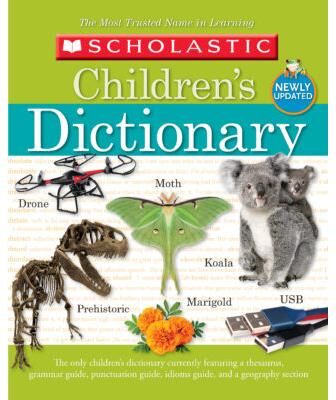
Scholastic Reference Scholastic Children's Dictionary (2019) (Hardcover) - ScholasticScholastic's trusted Children's Dictionary is back and bursting with up-to-date information on contemporary technological, scientific, and cultural terms, hundreds of new words, and in-depth sidebars featuring bold, colorful images. Featuring more...21,99 $*Shipping: 0,00 $Secure redirect to the provider
-
Scholastic Dinosaur Activity Bundle w/PlushHave a roaring good time with these dinosaur books and activities!This set includes:Let's Play: Bingo: DinosaursScholastic Early Learners: Dinosaur Makers GameScholastic Early Learners: My Busy Write-and-Wipe: DinosaursThere Was an Old Scientist Who...49,99 $*Shipping: 0,00 $Secure redirect to the provider
-
Scholastic Teaching Resources Scholastic Success With Grade 5 Value PackReinforce key skills with these exciting practice books!This set includes:Scholastic Success With Grade 5: Fractions & DecimalsScholastic Success With Grade 5: GrammarScholastic Success With Grade 5: MathScholastic Success With Grade 5: Math...41,59 $*Shipping: 0,00 $Secure redirect to the provider


-
What do the numbers in the periodic table mean?
The numbers in the periodic table represent the atomic number and atomic mass of each element. The atomic number is the number of protons in the nucleus of an atom, which determines the element's identity. The atomic mass is the average mass of an element's isotopes, taking into account the abundance of each isotope in nature. These numbers provide important information about an element's properties and its placement in the periodic table. **
-
What is the periodic table?
The periodic table is a tabular arrangement of all known chemical elements, organized by their atomic number, electron configuration, and recurring chemical properties. It is a fundamental tool in chemistry that allows scientists to predict the behavior of elements and their compounds. The table is divided into rows called periods and columns called groups, with elements in the same group sharing similar characteristics. The periodic table is constantly updated as new elements are discovered and our understanding of chemistry evolves. **
-
Which periodic table is better?
There is no definitive answer to which periodic table is better as both the Mendeleev periodic table and the modern periodic table have their own strengths and weaknesses. The Mendeleev periodic table is credited with predicting the properties of undiscovered elements and organizing elements based on their atomic mass. On the other hand, the modern periodic table arranges elements based on their atomic number, which reflects the number of protons in the nucleus. Ultimately, the choice of which periodic table is better depends on the context in which it is being used and personal preference. **
-
Why is the periodic table of elements not called the periodic table of atoms?
The periodic table of elements is not called the periodic table of atoms because it is organized based on the properties of elements, not individual atoms. The table arranges elements in order of increasing atomic number and groups them based on similar chemical and physical properties. It provides a systematic way to understand the behavior and characteristics of different elements, which is not specific to individual atoms. Additionally, the periodic table represents the elements in their neutral state, rather than as individual atoms with specific numbers of protons, neutrons, and electrons. **
Where is the periodic table stored?
The periodic table is stored in various places, including textbooks, websites, and scientific journals. It is also commonly found in classrooms, laboratories, and research facilities. Additionally, the periodic table can be accessed through mobile apps and online databases for easy reference and study. **
What makes the periodic table divine?
The periodic table is often considered divine because of its ability to organize all known elements in a systematic and logical manner. It provides a framework for understanding the properties and relationships between elements, allowing scientists to predict the behavior of unknown elements. The periodic table's structure, with elements arranged in increasing atomic number and grouped by similar properties, reflects the underlying order and symmetry of the natural world. Its comprehensive nature and predictive power have led to numerous scientific discoveries and advancements, making it a fundamental tool in the field of chemistry. **
Top-Angebote
Products related to Scholastic-Periodic-Table-w:
-
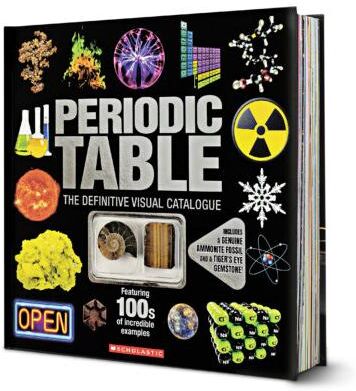
Scholastic Periodic Table w/Fossil & Ammonite GemLooking at the periodic table can be a bit daunting...how can you possibly remember what 118 different elements do? Featuring eye-popping photography and an enormous wealth of cool facts, this is the only book you'll need to help you learn about the...24,99 $*Shipping: 0,00 $Secure redirect to the provider
-
Scholastic Learn The Alphabet & Numbers CollectionHelp your child learn the alphabet and numbers with this interactive bundle.This set contains:I SPY LettersI SPY NumbersScholastic Early Learners: Write-and-Repeat Alphabet PracticeScholastic Early Learners: Write-and-Repeat Number...44,99 $*Shipping: 0,00 $Secure redirect to the provider
-
Scholastic Reference Scholastic Children's Dictionary (2019) (Hardcover) - ScholasticScholastic's trusted Children's Dictionary is back and bursting with up-to-date information on contemporary technological, scientific, and cultural terms, hundreds of new words, and in-depth sidebars featuring bold, colorful images. Featuring more...21,99 $*Shipping: 0,00 $Secure redirect to the provider
-
Scholastic Dinosaur Activity Bundle w/PlushHave a roaring good time with these dinosaur books and activities!This set includes:Let's Play: Bingo: DinosaursScholastic Early Learners: Dinosaur Makers GameScholastic Early Learners: My Busy Write-and-Wipe: DinosaursThere Was an Old Scientist Who...49,99 $*Shipping: 0,00 $Secure redirect to the provider
-
What are magic numbers in the periodic table?
Magic numbers in the periodic table refer to certain numbers of protons or neutrons that result in particularly stable and well-organized atomic nuclei. These numbers are associated with the filling of specific energy levels within the nucleus, leading to increased stability and lower energy states. In the context of protons, the magic numbers are 2, 8, 20, 28, 50, 82, and 126, while for neutrons, the magic numbers are 2, 8, 20, 28, 50, 82, and 126. Elements with a magic number of protons or neutrons tend to be more stable and have unique properties compared to their neighboring elements. **
-
What information can be obtained from the periodic table?
The periodic table provides a wealth of information about the elements. It includes the atomic number, atomic mass, and chemical symbol for each element. Additionally, it organizes the elements into groups and periods based on their properties, which can help predict their behavior and reactivity. The periodic table also shows the electron configuration for each element, which is important for understanding its chemical behavior. Overall, the periodic table is a valuable tool for understanding the properties and relationships of the elements. **
-
What do the numbers in the periodic table mean?
The numbers in the periodic table represent the atomic number and atomic mass of each element. The atomic number is the number of protons in the nucleus of an atom, which determines the element's identity. The atomic mass is the average mass of an element's isotopes, taking into account the abundance of each isotope in nature. These numbers provide important information about an element's properties and its placement in the periodic table. **
-
What is the periodic table?
The periodic table is a tabular arrangement of all known chemical elements, organized by their atomic number, electron configuration, and recurring chemical properties. It is a fundamental tool in chemistry that allows scientists to predict the behavior of elements and their compounds. The table is divided into rows called periods and columns called groups, with elements in the same group sharing similar characteristics. The periodic table is constantly updated as new elements are discovered and our understanding of chemistry evolves. **
Similar search terms for Scholastic-Periodic-Table-w
-
Scholastic Teaching Resources Scholastic Success With Grade 5 Value PackReinforce key skills with these exciting practice books!This set includes:Scholastic Success With Grade 5: Fractions & DecimalsScholastic Success With Grade 5: GrammarScholastic Success With Grade 5: MathScholastic Success With Grade 5: Math...41,59 $*Shipping: 0,00 $Secure redirect to the provider
-
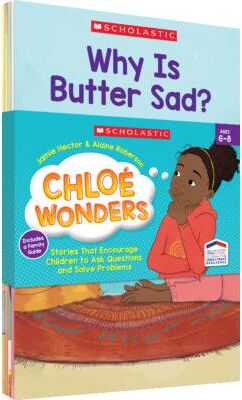
Scholastic Chloe WondersIntroducing Chloé - a curious kid with a lot of heart. Based on the real-life daughter of actor Jamie Hector, Chloé asks questions most children wonder about and builds key social-emotional skills as she solves them with her family's help. She...21,24 $*Shipping: 0,00 $Secure redirect to the provider
-
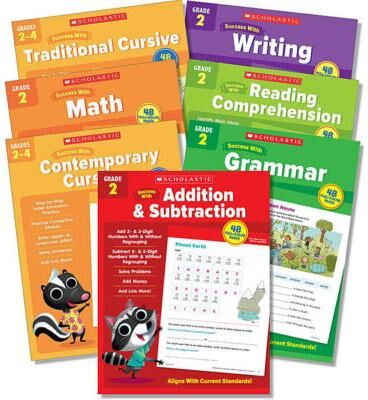
Scholastic - Children's Activity Books & Workbooks Scholastic Success With Grade 2 Value PackReinforce key skills with these exciting practice books!This set includes:Scholastic Success With Grade 2: Addition & SubtractionScholastic Success With Grade 2: GrammarScholastic Success With Grade 2: MathScholastic Success With Grade 2: Reading...41,59 $*Shipping: 0,00 $Secure redirect to the provider
-
Which periodic table is better?
There is no definitive answer to which periodic table is better as both the Mendeleev periodic table and the modern periodic table have their own strengths and weaknesses. The Mendeleev periodic table is credited with predicting the properties of undiscovered elements and organizing elements based on their atomic mass. On the other hand, the modern periodic table arranges elements based on their atomic number, which reflects the number of protons in the nucleus. Ultimately, the choice of which periodic table is better depends on the context in which it is being used and personal preference. **
-
Why is the periodic table of elements not called the periodic table of atoms?
The periodic table of elements is not called the periodic table of atoms because it is organized based on the properties of elements, not individual atoms. The table arranges elements in order of increasing atomic number and groups them based on similar chemical and physical properties. It provides a systematic way to understand the behavior and characteristics of different elements, which is not specific to individual atoms. Additionally, the periodic table represents the elements in their neutral state, rather than as individual atoms with specific numbers of protons, neutrons, and electrons. **
-
Where is the periodic table stored?
The periodic table is stored in various places, including textbooks, websites, and scientific journals. It is also commonly found in classrooms, laboratories, and research facilities. Additionally, the periodic table can be accessed through mobile apps and online databases for easy reference and study. **
-
What makes the periodic table divine?
The periodic table is often considered divine because of its ability to organize all known elements in a systematic and logical manner. It provides a framework for understanding the properties and relationships between elements, allowing scientists to predict the behavior of unknown elements. The periodic table's structure, with elements arranged in increasing atomic number and grouped by similar properties, reflects the underlying order and symmetry of the natural world. Its comprehensive nature and predictive power have led to numerous scientific discoveries and advancements, making it a fundamental tool in the field of chemistry. **
* All prices are inclusive of VAT and, if applicable, plus shipping costs. The offer information is based on the details provided by the respective shop and is updated through automated processes. Real-time updates do not occur, so deviations can occur in individual cases. ** Note: Parts of this content were created by AI.