Buy validcc.eu ?
We are moving the project
validcc.eu .
Are you interested in purchasing the domain
validcc.eu ?
domain@kv-gmbh.de · 0541-91531010
Buy validcc.eu ?
How do you round decimal numbers up?
To round decimal numbers up, you need to look at the digit immediately to the right of the desired decimal place. If this digit is 5 or greater, you round up by adding 1 to the desired decimal place. For example, if you want to round 3.67 up to the nearest whole number, you would add 1 to the 6, making it 4. **
Should one round down or round up?
Whether to round down or round up depends on the specific situation and the context in which the rounding is being applied. In general, if the decimal portion is less than 0.5, it is common to round down, and if the decimal portion is 0.5 or greater, it is common to round up. However, it is important to consider the impact of rounding on the overall accuracy and fairness of the calculation. In some cases, rounding up may be more appropriate to ensure that the result is not underestimated, while in other cases, rounding down may be more appropriate to avoid overestimation. Ultimately, the decision should be based on the specific requirements and goals of the calculation. **
Similar search terms for NUDE-Glass-Round-Up
Top-Angebote
Products related to NUDE-Glass-Round-Up:
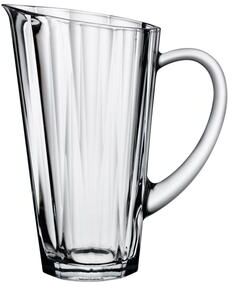
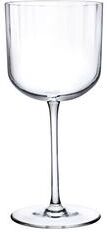
-
Why are round numbers called round numbers?
Round numbers are called "round" because they are easy to work with and understand. They are multiples of 10, which makes them easy to divide, multiply, and round off. Their simplicity and ease of use make them "round" in the sense that they are smooth and convenient for calculations and estimations. This term has been used for centuries to describe numbers that are easily manageable and divisible. **
-
Can you cut round corners when cutting glass?
Yes, it is possible to cut round corners when cutting glass. This can be achieved by using a glass cutter to score the glass along the desired curved shape, and then carefully breaking the glass along the scored line. It is important to use the proper tools and techniques to ensure a clean and precise cut when working with glass. Additionally, practicing on scrap pieces of glass can help improve your skills before attempting to cut round corners on a project piece. **
-
How can glass shatter into many round particles?
Glass can shatter into many round particles due to the way it is manufactured. When glass is tempered, it is heated and then rapidly cooled, creating internal tension within the glass. When the glass is struck or experiences a sudden force, this tension causes it to break into many small, round particles instead of sharp, jagged shards. This process is known as "tempered glass breakage" and is often used in car windows and glass doors to reduce the risk of injury from sharp edges. **
-
How do you cut Plexiglas, acrylic glass, hobby glass, and glass and round off the edges?
To cut Plexiglas, acrylic glass, hobby glass, and glass, you can use a scoring tool to make a shallow cut along the desired line, and then snap the material along the scored line. To round off the edges, you can use a fine-grit sandpaper or a power sander to smooth out the edges and create a rounded finish. It's important to wear protective gear, such as gloves and safety goggles, when working with these materials to prevent injury. **


Should one round up or round down at 5?
When rounding at 5, it is generally accepted to round up. This is because rounding up at 5 follows the standard rounding rule of rounding up when the digit to the right is 5 or greater. Rounding down at 5 would not be consistent with this rule and could lead to confusion in mathematical calculations. Therefore, it is best to round up at 5 to maintain consistency and accuracy in rounding. **
Do I need to round up or round down?
Whether you need to round up or round down depends on the specific rounding rule you are following. If you are rounding to the nearest whole number, you would round up if the decimal portion is 0.5 or greater, and round down if it is less than 0.5. If you are rounding to a specific decimal place, you would round up if the digit to the right of the rounding position is 5 or greater, and round down if it is less than 5. It's important to be clear on the rounding rule being used in order to determine whether to round up or round down. **
Top-Angebote
Products related to NUDE-Glass-Round-Up:
-
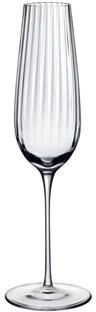
NUDE Glass Round Up Sparklling WineThis flute glass is a must-have for the lovers of fizz. Part of the NUDE Round Up collection, it possesses all the defining features of the series: a gently curved shape, a tapered rim and a long, slender stem.90,00 $*Shipping: 0,00 $Secure redirect to the provider
-
How do you round decimal numbers up?
To round decimal numbers up, you need to look at the digit immediately to the right of the desired decimal place. If this digit is 5 or greater, you round up by adding 1 to the desired decimal place. For example, if you want to round 3.67 up to the nearest whole number, you would add 1 to the 6, making it 4. **
-
Should one round down or round up?
Whether to round down or round up depends on the specific situation and the context in which the rounding is being applied. In general, if the decimal portion is less than 0.5, it is common to round down, and if the decimal portion is 0.5 or greater, it is common to round up. However, it is important to consider the impact of rounding on the overall accuracy and fairness of the calculation. In some cases, rounding up may be more appropriate to ensure that the result is not underestimated, while in other cases, rounding down may be more appropriate to avoid overestimation. Ultimately, the decision should be based on the specific requirements and goals of the calculation. **
-
Why are round numbers called round numbers?
Round numbers are called "round" because they are easy to work with and understand. They are multiples of 10, which makes them easy to divide, multiply, and round off. Their simplicity and ease of use make them "round" in the sense that they are smooth and convenient for calculations and estimations. This term has been used for centuries to describe numbers that are easily manageable and divisible. **
-
Can you cut round corners when cutting glass?
Yes, it is possible to cut round corners when cutting glass. This can be achieved by using a glass cutter to score the glass along the desired curved shape, and then carefully breaking the glass along the scored line. It is important to use the proper tools and techniques to ensure a clean and precise cut when working with glass. Additionally, practicing on scrap pieces of glass can help improve your skills before attempting to cut round corners on a project piece. **
Similar search terms for NUDE-Glass-Round-Up
-
How can glass shatter into many round particles?
Glass can shatter into many round particles due to the way it is manufactured. When glass is tempered, it is heated and then rapidly cooled, creating internal tension within the glass. When the glass is struck or experiences a sudden force, this tension causes it to break into many small, round particles instead of sharp, jagged shards. This process is known as "tempered glass breakage" and is often used in car windows and glass doors to reduce the risk of injury from sharp edges. **
-
How do you cut Plexiglas, acrylic glass, hobby glass, and glass and round off the edges?
To cut Plexiglas, acrylic glass, hobby glass, and glass, you can use a scoring tool to make a shallow cut along the desired line, and then snap the material along the scored line. To round off the edges, you can use a fine-grit sandpaper or a power sander to smooth out the edges and create a rounded finish. It's important to wear protective gear, such as gloves and safety goggles, when working with these materials to prevent injury. **
-
Should one round up or round down at 5?
When rounding at 5, it is generally accepted to round up. This is because rounding up at 5 follows the standard rounding rule of rounding up when the digit to the right is 5 or greater. Rounding down at 5 would not be consistent with this rule and could lead to confusion in mathematical calculations. Therefore, it is best to round up at 5 to maintain consistency and accuracy in rounding. **
-
Do I need to round up or round down?
Whether you need to round up or round down depends on the specific rounding rule you are following. If you are rounding to the nearest whole number, you would round up if the decimal portion is 0.5 or greater, and round down if it is less than 0.5. If you are rounding to a specific decimal place, you would round up if the digit to the right of the rounding position is 5 or greater, and round down if it is less than 5. It's important to be clear on the rounding rule being used in order to determine whether to round up or round down. **
* All prices are inclusive of VAT and, if applicable, plus shipping costs. The offer information is based on the details provided by the respective shop and is updated through automated processes. Real-time updates do not occur, so deviations can occur in individual cases. ** Note: Parts of this content were created by AI.