Buy validcc.eu ?
We are moving the project
validcc.eu .
Are you interested in purchasing the domain
validcc.eu ?
domain@kv-gmbh.de · 0541-91531010
Buy validcc.eu ?
What rectifier do I need for a 2300-watt generator?
For a 2300-watt generator, you will need a rectifier that can handle at least 2300 watts of power. It is important to choose a rectifier with a power rating that exceeds the generator's output to ensure it can handle the load without overheating or failing. Look for a rectifier with a power rating of at least 2500 watts to provide a safety margin. Additionally, consider the voltage and current requirements of your specific generator to ensure compatibility with the rectifier. **
Is there a difference between a rectifier and a bridge rectifier?
Yes, there is a difference between a rectifier and a bridge rectifier. A rectifier is a device that converts alternating current (AC) to direct current (DC) by allowing current to flow in only one direction. A bridge rectifier is a type of rectifier that uses four diodes in a bridge configuration to rectify AC voltage. The main difference is that a bridge rectifier is more efficient and can handle higher currents compared to a simple rectifier. **


Similar search terms for MAHLE-MGX-51-Rectifier
Top-Angebote
Products related to MAHLE-MGX-51-Rectifier:
-
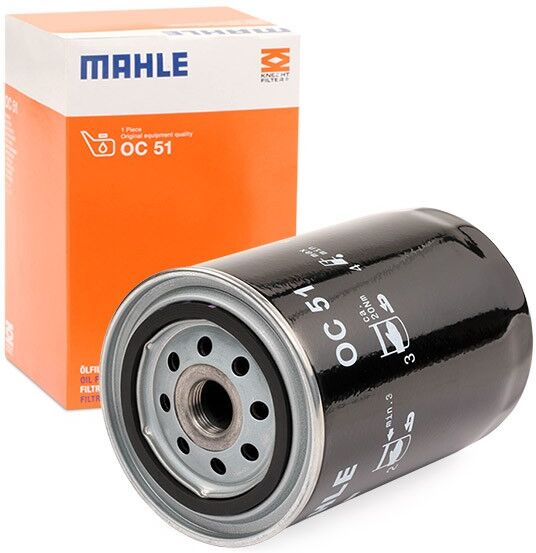
MAHLE OC 51 Oil filterFilter type: Spin-on Filter; Diameter: 93,2; Height: 150,5; Thread Size: 3/416UNF2B; Diameter 2 [mm]: 72,0; Seal Ring Diameter [mm]: 62,0; Tightening Torque [Nm]: 20; article number of the recommended special tool: OCS 2; Supplementary Article / Supplementary Info Info 2: with one anti-return valve; Valve Type: Overflow Valve; Packaging height [cm]: 14,86, 15,00; Net Weight [g]: 583, 586; Packaging length [cm]: 9,5, 9,6; Packaging width [cm]: 9,50, 9,6; Transmission Type: Manual Transmission; TecDoc Engine Number: 4985, 4961, 4990, 5535, 95129,99 £*Shipping: 8,45 £Secure redirect to the provider
-
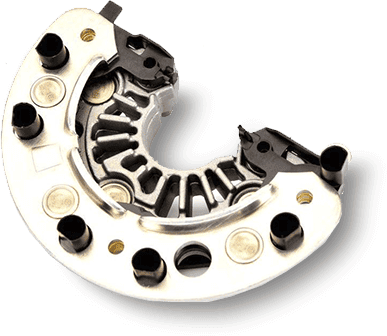
Multicon Wholesale Hub Diode Rectifier Kit For BC Series Generator Replacement Diode Rectifier Kit For BC Series Generator ReplacementKeep your generator running with the steady power support it was built to deliver. This RSK2001 diode rectifier kit is designed for BC Series generator ends, making it a practical replacement for worn or failed rectifier components. With a 25A...73,97 $*Shipping: 0,00 $Secure redirect to the provider
-
Uplift Treasures Universal Generator AVR Automatic Voltage Regulator Rectifier 5 To 6.5kwProduct Description:Maintain stable generator electrical output with this universal automatic voltage regulator. Designed to regulate generator voltage and support consistent operation, this AVR rectifier is a practical replacement component for...72,97 $*Shipping: 0,00 $Secure redirect to the provider


-
What rectifier is needed for a PC when using a backup generator?
When using a backup generator for a PC, a voltage regulator or an uninterruptible power supply (UPS) with a built-in voltage regulator is needed to ensure a stable and clean power supply. This is important because backup generators can produce fluctuating voltage levels and power surges that can damage sensitive electronic equipment like a PC. A voltage regulator or UPS will help to smooth out these fluctuations and provide a consistent and safe power supply to the PC, protecting it from potential damage. **
-
What is the difference between a center-tapped rectifier and a bridge rectifier?
A center-tapped rectifier uses a transformer with a center tap on the secondary winding, while a bridge rectifier uses a configuration of diodes to rectify the AC input voltage. The center-tapped rectifier requires a transformer with a center tap, which may be more expensive and bulky, while the bridge rectifier does not require a center-tapped transformer and is more commonly used in practical applications. Additionally, the center-tapped rectifier only uses two diodes, while the bridge rectifier uses four diodes, making it more efficient in terms of voltage drop and power loss. **
-
How does a rectifier work?
A rectifier is an electrical device that converts alternating current (AC) to direct current (DC). It does this by utilizing diodes, which are electronic components that only allow current to flow in one direction. When the AC current passes through the rectifier, the diodes block the negative portion of the wave, allowing only the positive portion to pass through, resulting in a pulsating DC output. This pulsating DC can then be smoothed out using capacitors to create a more stable DC output. **
-
What is a full-wave rectifier?
A full-wave rectifier is an electronic circuit that converts alternating current (AC) to direct current (DC). It uses two diodes to allow both the positive and negative halves of the AC input signal to flow through, resulting in a more efficient conversion compared to a half-wave rectifier. This type of rectifier is commonly used in power supplies and other electronic devices to provide a steady DC output. **

How can one bypass a rectifier?
Bypassing a rectifier involves connecting the AC input directly to the DC output, effectively bypassing the rectification process. This can be done by physically connecting the AC input terminal to the DC output terminal using a wire or jumper. However, bypassing a rectifier is not recommended as it can damage the circuit or device by allowing unregulated AC voltage to pass through the system. It is important to follow proper safety precautions and consult with a professional before attempting to bypass a rectifier. **
When should a rectifier be used?
A rectifier should be used when there is a need to convert alternating current (AC) to direct current (DC). This is commonly required in electronic devices and power supplies that operate on DC power. Rectifiers are essential in ensuring that the correct type of electrical current is supplied to the device, preventing damage or malfunction. They are commonly used in various applications such as battery charging, signal processing, and power transmission. **
Top-Angebote
Products related to MAHLE-MGX-51-Rectifier:
-
MAHLE OC 51 Oil filterFilter type: Spin-on Filter; Diameter: 93,2; Height: 150,5; Thread Size: 3/416UNF2B; Diameter 2 [mm]: 72,0; Seal Ring Diameter [mm]: 62,0; Tightening Torque [Nm]: 20; article number of the recommended special tool: OCS 2; Supplementary Article / Supplementary Info Info 2: with one anti-return valve; Valve Type: Overflow Valve; Packaging height [cm]: 14,86, 15,00; Net Weight [g]: 583, 586; Packaging length [cm]: 9,5, 9,6; Packaging width [cm]: 9,50, 9,6; Transmission Type: Manual Transmission; TecDoc Engine Number: 4985, 4961, 4990, 5535, 95129,99 £*Shipping: 8,45 £Secure redirect to the provider
-
What rectifier do I need for a 2300-watt generator?
For a 2300-watt generator, you will need a rectifier that can handle at least 2300 watts of power. It is important to choose a rectifier with a power rating that exceeds the generator's output to ensure it can handle the load without overheating or failing. Look for a rectifier with a power rating of at least 2500 watts to provide a safety margin. Additionally, consider the voltage and current requirements of your specific generator to ensure compatibility with the rectifier. **
-
Is there a difference between a rectifier and a bridge rectifier?
Yes, there is a difference between a rectifier and a bridge rectifier. A rectifier is a device that converts alternating current (AC) to direct current (DC) by allowing current to flow in only one direction. A bridge rectifier is a type of rectifier that uses four diodes in a bridge configuration to rectify AC voltage. The main difference is that a bridge rectifier is more efficient and can handle higher currents compared to a simple rectifier. **
-
What rectifier is needed for a PC when using a backup generator?
When using a backup generator for a PC, a voltage regulator or an uninterruptible power supply (UPS) with a built-in voltage regulator is needed to ensure a stable and clean power supply. This is important because backup generators can produce fluctuating voltage levels and power surges that can damage sensitive electronic equipment like a PC. A voltage regulator or UPS will help to smooth out these fluctuations and provide a consistent and safe power supply to the PC, protecting it from potential damage. **
-
What is the difference between a center-tapped rectifier and a bridge rectifier?
A center-tapped rectifier uses a transformer with a center tap on the secondary winding, while a bridge rectifier uses a configuration of diodes to rectify the AC input voltage. The center-tapped rectifier requires a transformer with a center tap, which may be more expensive and bulky, while the bridge rectifier does not require a center-tapped transformer and is more commonly used in practical applications. Additionally, the center-tapped rectifier only uses two diodes, while the bridge rectifier uses four diodes, making it more efficient in terms of voltage drop and power loss. **
Similar search terms for MAHLE-MGX-51-Rectifier
-
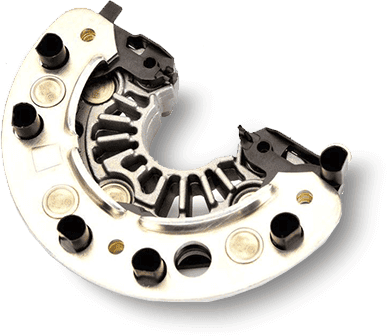
Multicon Wholesale Hub Diode Rectifier Kit For BC Series Generator Replacement Diode Rectifier Kit For BC Series Generator ReplacementKeep your generator running with the steady power support it was built to deliver. This RSK2001 diode rectifier kit is designed for BC Series generator ends, making it a practical replacement for worn or failed rectifier components. With a 25A...73,97 $*Shipping: 0,00 $Secure redirect to the provider
-
Uplift Treasures Universal Generator AVR Automatic Voltage Regulator Rectifier 5 To 6.5kwProduct Description:Maintain stable generator electrical output with this universal automatic voltage regulator. Designed to regulate generator voltage and support consistent operation, this AVR rectifier is a practical replacement component for...72,97 $*Shipping: 0,00 $Secure redirect to the provider
-
How does a rectifier work?
A rectifier is an electrical device that converts alternating current (AC) to direct current (DC). It does this by utilizing diodes, which are electronic components that only allow current to flow in one direction. When the AC current passes through the rectifier, the diodes block the negative portion of the wave, allowing only the positive portion to pass through, resulting in a pulsating DC output. This pulsating DC can then be smoothed out using capacitors to create a more stable DC output. **
-
What is a full-wave rectifier?
A full-wave rectifier is an electronic circuit that converts alternating current (AC) to direct current (DC). It uses two diodes to allow both the positive and negative halves of the AC input signal to flow through, resulting in a more efficient conversion compared to a half-wave rectifier. This type of rectifier is commonly used in power supplies and other electronic devices to provide a steady DC output. **
-
How can one bypass a rectifier?
Bypassing a rectifier involves connecting the AC input directly to the DC output, effectively bypassing the rectification process. This can be done by physically connecting the AC input terminal to the DC output terminal using a wire or jumper. However, bypassing a rectifier is not recommended as it can damage the circuit or device by allowing unregulated AC voltage to pass through the system. It is important to follow proper safety precautions and consult with a professional before attempting to bypass a rectifier. **
-
When should a rectifier be used?
A rectifier should be used when there is a need to convert alternating current (AC) to direct current (DC). This is commonly required in electronic devices and power supplies that operate on DC power. Rectifiers are essential in ensuring that the correct type of electrical current is supplied to the device, preventing damage or malfunction. They are commonly used in various applications such as battery charging, signal processing, and power transmission. **
* All prices are inclusive of VAT and, if applicable, plus shipping costs. The offer information is based on the details provided by the respective shop and is updated through automated processes. Real-time updates do not occur, so deviations can occur in individual cases. ** Note: Parts of this content were created by AI.