Buy validcc.eu ?
We are moving the project
validcc.eu .
Are you interested in purchasing the domain
validcc.eu ?
domain@kv-gmbh.de · 0541-91531010
Buy validcc.eu ?
Where is a manga store located in HST?
A manga store is located in the HST building on the second floor. It is situated near the food court area, making it easily accessible for students and visitors to browse and purchase manga. The store offers a wide selection of manga titles for enthusiasts to explore and enjoy. **
What are the expenses for RST, HST, and BST?
The expenses for RST (Retail Sales Tax), HST (Harmonized Sales Tax), and BST (Business Sales Tax) vary depending on the specific jurisdiction and the nature of the business. RST is a tax imposed on the retail sale of goods and services in certain provinces in Canada, while HST is a combined federal and provincial tax in some provinces. BST is a tax on the sale of goods and services by businesses in certain provinces. The expenses for these taxes include the amount owed based on the sales made by the business, as well as any administrative costs associated with filing and remitting the taxes to the appropriate government authorities. **


Similar search terms for HST-HST-0341-Magnetic
Top-Angebote
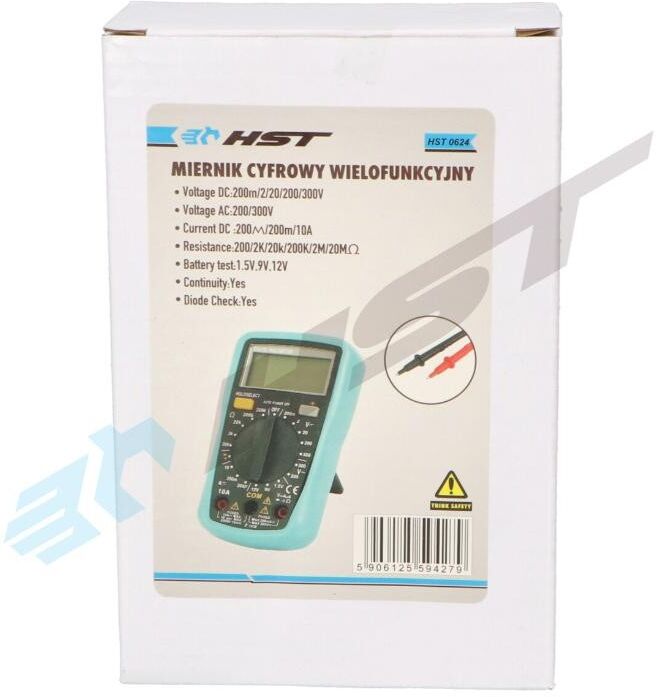
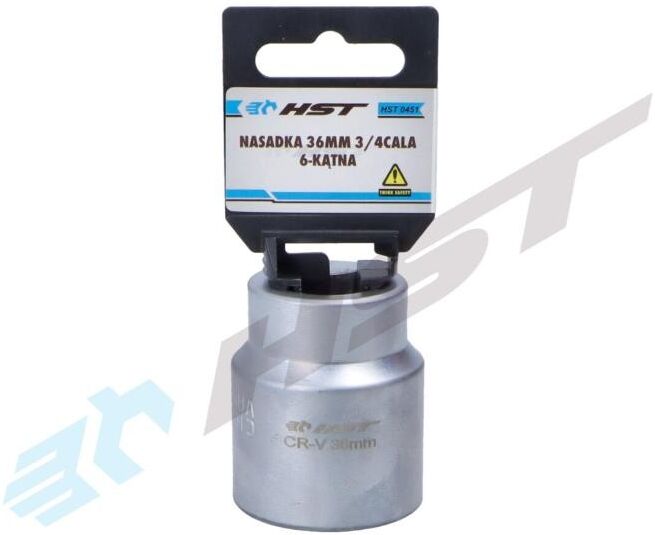
Products related to HST-HST-0341-Magnetic:


-
Is the magnetic field on the credit card broken?
The magnetic field on a credit card can become demagnetized or damaged if it comes into contact with a strong magnetic field, such as those produced by magnets or certain electronic devices. If the magnetic strip on the credit card is not working, it may be due to damage to the magnetic field. In this case, the credit card may need to be replaced by the issuing bank or financial institution. It's important to keep credit cards away from magnets and other sources of strong magnetic fields to prevent damage to the magnetic strip. **
-
Is the magnetic stripe still used on a credit card?
Yes, the magnetic stripe is still used on credit cards, although it is becoming less common as more cards are being equipped with EMV chips. The magnetic stripe contains the cardholder's account information and is swiped through a card reader to make a transaction. However, the magnetic stripe is more susceptible to fraud and is being replaced by the more secure EMV chip technology. **
-
Where exactly does induction occur in the magnetic stripe of a credit card?
Induction occurs in the magnetic stripe of a credit card in the form of magnetically encoded data. The magnetic stripe contains tiny magnetic particles that are polarized in a specific pattern to represent the cardholder's account information. When the card is swiped through a card reader, the magnetic field of the reader induces a current in the magnetic particles, allowing the encoded data to be read and transmitted to the card reader for processing. This process of induction enables the transfer of information from the magnetic stripe to the card reader, allowing for secure and efficient transactions. **
-
Is it possible to power a computer with a magnetic generator?
It is not currently possible to power a computer solely with a magnetic generator. While magnetic generators can produce electricity, they typically do not generate enough power to sustain the energy demands of a computer. Computers require a consistent and reliable power source, which is typically provided by electricity from the grid or batteries. Magnetic generators may be used as a supplementary power source, but they are not practical for powering a computer on their own. **

Is it normal or bad if the credit card has scratches on the magnetic stripe?
It is not ideal for a credit card to have scratches on the magnetic stripe as it can affect the card's ability to be read properly by card readers. This could potentially lead to issues with making transactions or accessing funds. It is recommended to handle credit cards with care to avoid damaging the magnetic stripe and to contact the card issuer for a replacement if the damage is significant. **
Name five magnetic materials and five non-magnetic materials.
Five magnetic materials are iron, nickel, cobalt, gadolinium, and neodymium. These materials are attracted to magnets and can be magnetized themselves. On the other hand, five non-magnetic materials are wood, plastic, glass, copper, and aluminum. These materials are not attracted to magnets and cannot be magnetized. **
Top-Angebote
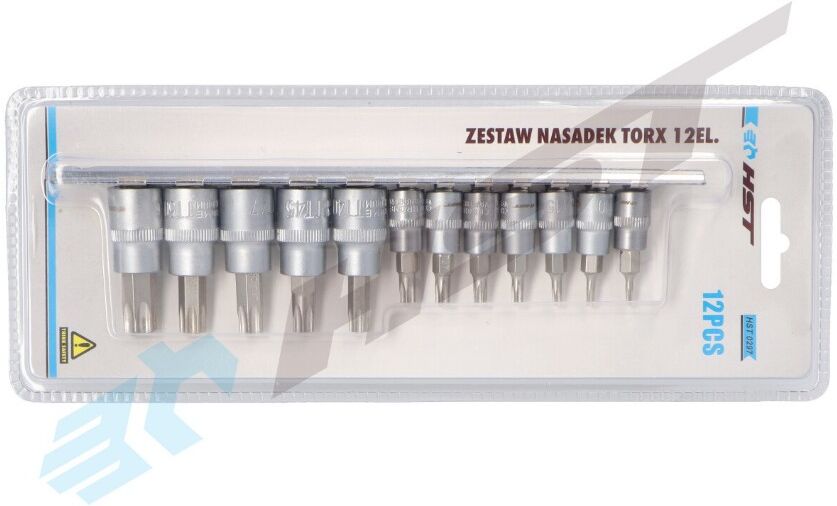
Products related to HST-HST-0341-Magnetic:
-
Where is a manga store located in HST?
A manga store is located in the HST building on the second floor. It is situated near the food court area, making it easily accessible for students and visitors to browse and purchase manga. The store offers a wide selection of manga titles for enthusiasts to explore and enjoy. **
-
What are the expenses for RST, HST, and BST?
The expenses for RST (Retail Sales Tax), HST (Harmonized Sales Tax), and BST (Business Sales Tax) vary depending on the specific jurisdiction and the nature of the business. RST is a tax imposed on the retail sale of goods and services in certain provinces in Canada, while HST is a combined federal and provincial tax in some provinces. BST is a tax on the sale of goods and services by businesses in certain provinces. The expenses for these taxes include the amount owed based on the sales made by the business, as well as any administrative costs associated with filing and remitting the taxes to the appropriate government authorities. **
-
Is the magnetic field on the credit card broken?
The magnetic field on a credit card can become demagnetized or damaged if it comes into contact with a strong magnetic field, such as those produced by magnets or certain electronic devices. If the magnetic strip on the credit card is not working, it may be due to damage to the magnetic field. In this case, the credit card may need to be replaced by the issuing bank or financial institution. It's important to keep credit cards away from magnets and other sources of strong magnetic fields to prevent damage to the magnetic strip. **
-
Is the magnetic stripe still used on a credit card?
Yes, the magnetic stripe is still used on credit cards, although it is becoming less common as more cards are being equipped with EMV chips. The magnetic stripe contains the cardholder's account information and is swiped through a card reader to make a transaction. However, the magnetic stripe is more susceptible to fraud and is being replaced by the more secure EMV chip technology. **
Similar search terms for HST-HST-0341-Magnetic
-
Where exactly does induction occur in the magnetic stripe of a credit card?
Induction occurs in the magnetic stripe of a credit card in the form of magnetically encoded data. The magnetic stripe contains tiny magnetic particles that are polarized in a specific pattern to represent the cardholder's account information. When the card is swiped through a card reader, the magnetic field of the reader induces a current in the magnetic particles, allowing the encoded data to be read and transmitted to the card reader for processing. This process of induction enables the transfer of information from the magnetic stripe to the card reader, allowing for secure and efficient transactions. **
-
Is it possible to power a computer with a magnetic generator?
It is not currently possible to power a computer solely with a magnetic generator. While magnetic generators can produce electricity, they typically do not generate enough power to sustain the energy demands of a computer. Computers require a consistent and reliable power source, which is typically provided by electricity from the grid or batteries. Magnetic generators may be used as a supplementary power source, but they are not practical for powering a computer on their own. **
-
Is it normal or bad if the credit card has scratches on the magnetic stripe?
It is not ideal for a credit card to have scratches on the magnetic stripe as it can affect the card's ability to be read properly by card readers. This could potentially lead to issues with making transactions or accessing funds. It is recommended to handle credit cards with care to avoid damaging the magnetic stripe and to contact the card issuer for a replacement if the damage is significant. **
-
Name five magnetic materials and five non-magnetic materials.
Five magnetic materials are iron, nickel, cobalt, gadolinium, and neodymium. These materials are attracted to magnets and can be magnetized themselves. On the other hand, five non-magnetic materials are wood, plastic, glass, copper, and aluminum. These materials are not attracted to magnets and cannot be magnetized. **
* All prices are inclusive of VAT and, if applicable, plus shipping costs. The offer information is based on the details provided by the respective shop and is updated through automated processes. Real-time updates do not occur, so deviations can occur in individual cases. ** Note: Parts of this content were created by AI.