Buy validcc.eu ?
We are moving the project
validcc.eu .
Are you interested in purchasing the domain
validcc.eu ?
domain@kv-gmbh.de · 0541-91531010
Buy validcc.eu ?
Is IIV or IIX a valid Roman numeral?
Neither IIV nor IIX is a valid Roman numeral. In Roman numerals, the symbol for 5 is represented by the letter V, and the symbol for 10 is represented by the letter X. Therefore, the correct representation for 6 is VI, not IIV, and the correct representation for 8 is VIII, not IIX. It is important to follow the rules of Roman numeral representation to ensure accuracy and clarity. **
Which numbers are correctly displayed on a Roman clock?
Roman clocks typically display the numbers I, II, III, IV, VI, VII, VIII, IX, X, XI, and XII. The numbers V and XIII are not typically displayed on a Roman clock. **
Similar search terms for Elama-Roman-16-Piece
Top-Angebote
Products related to Elama-Roman-16-Piece:
-
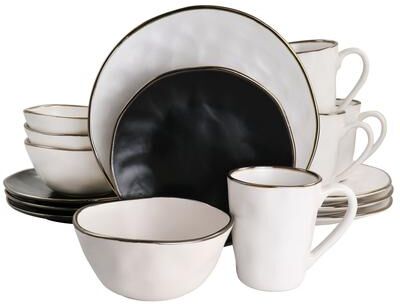
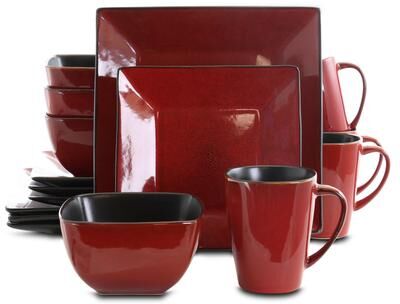
Elama Luxmatte White 16 Piece Dinnerware SetThe Elama Luxmatte White 16 Piece Dinnerware Set brings style to the table for family and guest to adore. The minimalist design perfectly accents any meal, be it a basic breakfast or a lavish luncheon.74,79 $*Shipping: 0,00 $Secure redirect to the provider

-
Which numbers are displayed correctly on a Roman clock?
On a Roman clock, the numbers are displayed in Roman numerals. The numbers I, II, III, IV, V, VI, VII, VIII, IX, X, XI, and XII are displayed correctly on a Roman clock, representing the hours of the day. Each Roman numeral corresponds to a specific hour, with IV being used instead of IIII for the number 4. **
-
How are normal and Roman numbers used in Pages?
In Pages, normal numbers are used for regular text input, such as typing out a paragraph or a list. On the other hand, Roman numbers are typically used for outlining purposes, such as creating a table of contents or organizing sections of a document. Both types of numbers can be easily inserted and formatted within Pages to help structure and present information in a clear and organized manner. **
-
Roman-German emperors
The term "Roman-German emperors" refers to the Holy Roman Emperors, who were rulers of the Holy Roman Empire from the Middle Ages to the early 19th century. These emperors were considered the successors to the rulers of the ancient Roman Empire and were elected by a group of German princes. The Holy Roman Emperors held significant political and religious power in Central Europe, although their authority was often challenged by regional rulers and the papacy. The title of Holy Roman Emperor was officially abolished in 1806 following the dissolution of the Holy Roman Empire. **
-
Holy Roman Emperors
The Holy Roman Emperors were rulers of the Holy Roman Empire, a complex political entity in central Europe that existed from 800 to 1806. They were elected by a group of powerful princes and bishops known as the Electoral College. The title of Holy Roman Emperor was considered to be the highest temporal authority in Europe, although the actual power of the emperors varied greatly throughout the history of the empire. Some of the most famous Holy Roman Emperors include Charlemagne, Otto the Great, and Charles V. **

Roman-German Emperors
The term "Roman-German Emperors" refers to the Holy Roman Emperors, who were rulers of the Holy Roman Empire from the Middle Ages until its dissolution in 1806. The title of Holy Roman Emperor was created in the 10th century and was held by various monarchs who claimed to be the successors of the ancient Roman emperors. The Holy Roman Emperors were elected by a group of German princes and were considered the highest secular authority in the Holy Roman Empire, which was a complex political entity that encompassed parts of modern-day Germany, Italy, and other European countries. **
Holy Roman Emperor
The title of Holy Roman Emperor was a title given to the ruler of the Holy Roman Empire, a political entity in Central Europe that existed from 962 to 1806. The Holy Roman Emperor was considered the secular ruler of the Christian world, with authority over a vast territory that included parts of modern-day Germany, Italy, and France. The position was elected by a group of powerful princes and bishops known as the Electoral College. The title of Holy Roman Emperor was eventually abolished in 1806 following the defeat of the Empire by Napoleon Bonaparte. **
Top-Angebote
Products related to Elama-Roman-16-Piece:
-
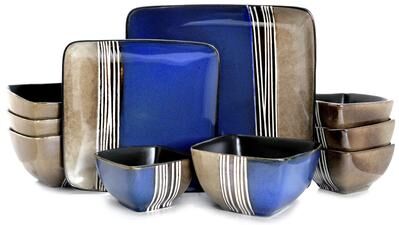
Elama Roman 16 Piece Stoneware Dinnerware Set in Assorted Matte with Gold Rim - 16 Piece SetAdd a beautiful accent to your dining table with the Elama Roman 16 Piece Round Stoneware Dinnerware Set in sophisticated assortment of Matte Colors with Gold Rim Trim.119,49 $*Shipping: 0,00 $Secure redirect to the provider
-
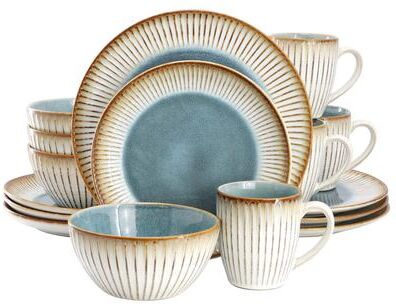
Elama 16 Piece Stoneware Dinnerware SetElevate your dining experience with the Elama Louann 16 Piece Stoneware Dinnerware Set. Crafted from durable stoneware, this set features a chic combination of beige and blue colors with a stylish textured design.108,49 $*Shipping: 0,00 $Secure redirect to the provider
-
Elama Luxmatte White 16 Piece Dinnerware SetThe Elama Luxmatte White 16 Piece Dinnerware Set brings style to the table for family and guest to adore. The minimalist design perfectly accents any meal, be it a basic breakfast or a lavish luncheon.74,79 $*Shipping: 0,00 $Secure redirect to the provider
-
Is IIV or IIX a valid Roman numeral?
Neither IIV nor IIX is a valid Roman numeral. In Roman numerals, the symbol for 5 is represented by the letter V, and the symbol for 10 is represented by the letter X. Therefore, the correct representation for 6 is VI, not IIV, and the correct representation for 8 is VIII, not IIX. It is important to follow the rules of Roman numeral representation to ensure accuracy and clarity. **
-
Which numbers are correctly displayed on a Roman clock?
Roman clocks typically display the numbers I, II, III, IV, VI, VII, VIII, IX, X, XI, and XII. The numbers V and XIII are not typically displayed on a Roman clock. **
-
Which numbers are displayed correctly on a Roman clock?
On a Roman clock, the numbers are displayed in Roman numerals. The numbers I, II, III, IV, V, VI, VII, VIII, IX, X, XI, and XII are displayed correctly on a Roman clock, representing the hours of the day. Each Roman numeral corresponds to a specific hour, with IV being used instead of IIII for the number 4. **
-
How are normal and Roman numbers used in Pages?
In Pages, normal numbers are used for regular text input, such as typing out a paragraph or a list. On the other hand, Roman numbers are typically used for outlining purposes, such as creating a table of contents or organizing sections of a document. Both types of numbers can be easily inserted and formatted within Pages to help structure and present information in a clear and organized manner. **
Similar search terms for Elama-Roman-16-Piece
-
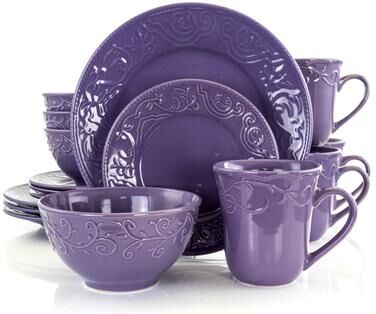
Elama Tahitian Pearl 16-Piece Dinnerware SetElama's Tahitian Pearl 16-Piece Dinnerware Set in Slate and Stone Pearl with Setting for 4 is an ideal gift for yourself and your loved ones. Elegance and calm personify this set in Late and Stone Hughes.88,99 $*Shipping: 0,00 $Secure redirect to the provider
-
Roman-German emperors
The term "Roman-German emperors" refers to the Holy Roman Emperors, who were rulers of the Holy Roman Empire from the Middle Ages to the early 19th century. These emperors were considered the successors to the rulers of the ancient Roman Empire and were elected by a group of German princes. The Holy Roman Emperors held significant political and religious power in Central Europe, although their authority was often challenged by regional rulers and the papacy. The title of Holy Roman Emperor was officially abolished in 1806 following the dissolution of the Holy Roman Empire. **
-
Holy Roman Emperors
The Holy Roman Emperors were rulers of the Holy Roman Empire, a complex political entity in central Europe that existed from 800 to 1806. They were elected by a group of powerful princes and bishops known as the Electoral College. The title of Holy Roman Emperor was considered to be the highest temporal authority in Europe, although the actual power of the emperors varied greatly throughout the history of the empire. Some of the most famous Holy Roman Emperors include Charlemagne, Otto the Great, and Charles V. **
-
Roman-German Emperors
The term "Roman-German Emperors" refers to the Holy Roman Emperors, who were rulers of the Holy Roman Empire from the Middle Ages until its dissolution in 1806. The title of Holy Roman Emperor was created in the 10th century and was held by various monarchs who claimed to be the successors of the ancient Roman emperors. The Holy Roman Emperors were elected by a group of German princes and were considered the highest secular authority in the Holy Roman Empire, which was a complex political entity that encompassed parts of modern-day Germany, Italy, and other European countries. **
-
Holy Roman Emperor
The title of Holy Roman Emperor was a title given to the ruler of the Holy Roman Empire, a political entity in Central Europe that existed from 962 to 1806. The Holy Roman Emperor was considered the secular ruler of the Christian world, with authority over a vast territory that included parts of modern-day Germany, Italy, and France. The position was elected by a group of powerful princes and bishops known as the Electoral College. The title of Holy Roman Emperor was eventually abolished in 1806 following the defeat of the Empire by Napoleon Bonaparte. **
* All prices are inclusive of VAT and, if applicable, plus shipping costs. The offer information is based on the details provided by the respective shop and is updated through automated processes. Real-time updates do not occur, so deviations can occur in individual cases. ** Note: Parts of this content were created by AI.