Buy validcc.eu ?
We are moving the project
validcc.eu .
Are you interested in purchasing the domain
validcc.eu ?
domain@kv-gmbh.de · 0541-91531010
Buy validcc.eu ?
What is free energy and a generator?
Free energy refers to the energy that is available for use without any cost or external input. It is the energy that is naturally occurring and can be harnessed for various purposes. A generator is a device that converts mechanical energy into electrical energy. It typically consists of a coil of wire that is rotated within a magnetic field to produce electricity. Generators are commonly used to provide power in situations where there is no access to a traditional power grid, such as in remote areas or during power outages. **
What is free energy or a generator?
Free energy refers to the energy that is available to do work without any cost or input. It is often associated with renewable energy sources such as solar, wind, and hydro power. A generator, on the other hand, is a device that converts mechanical energy into electrical energy. Generators are commonly used to produce electricity in power plants, homes, and businesses. **
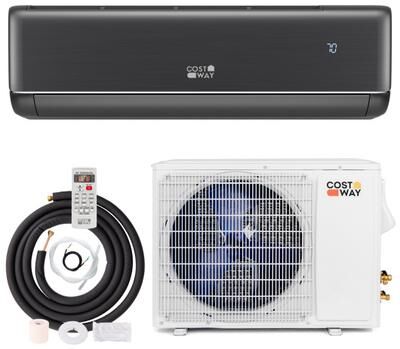

Similar search terms for Costway-GreyVolt-Series-Energy
Top-Angebote
Products related to Costway-GreyVolt-Series-Energy:
-
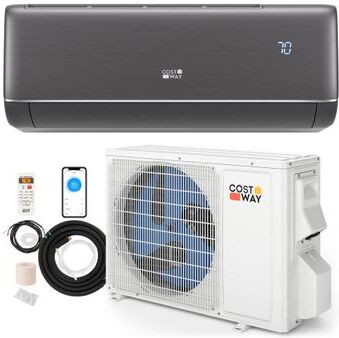
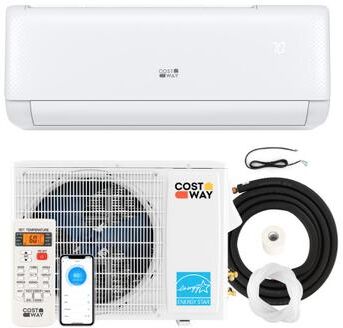
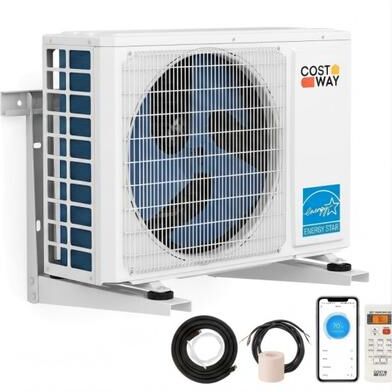
Costway GreyVolt Series Energy Star Certified 24000 BTU 21 SEER2 208-230V Mini Split Air Conditioner and Heater Gray Wifi EnabledExperience the comfort and convenience of advanced climate control with this Wifi enabled mini split air conditioner!1240,00 $*Shipping: 0,00 $Secure redirect to the provider


-
How is energy converted in a generator?
In a generator, energy is converted from mechanical energy into electrical energy. This conversion process involves a magnet rotating within a coil of wire, creating a magnetic field that induces a flow of electrons in the wire. As the magnet rotates, it causes the electrons to move, generating an electric current. This current is then collected and can be used to power electrical devices. **
-
How does the energy flow behave in series and parallel circuits?
In a series circuit, the energy flow is restricted by the components being connected in a single path. This means that the same current flows through each component, and the voltage is divided across the components. In contrast, in a parallel circuit, the energy flow is divided among the different paths, allowing for different currents to flow through each component. This means that the voltage across each component is the same, but the total current is the sum of the currents flowing through each path. **
-
How do you represent the energy conversion of the generator in an energy flow diagram?
In an energy flow diagram, the energy conversion of a generator is represented by showing the input energy source (such as fuel, wind, or water) flowing into the generator, and the output energy (electricity) flowing out of the generator. The input energy source is typically shown as an arrow pointing towards the generator, while the output energy is shown as an arrow flowing away from the generator. This visually represents the conversion of one form of energy into another within the generator. **
-
How does the energy conversion in a generator occur?
In a generator, energy conversion occurs through the principle of electromagnetic induction. When a coil of wire rotates within a magnetic field, it creates a flow of electrons, generating an electric current. This current is then converted into usable electrical energy that can be harnessed for various applications. The mechanical energy used to rotate the coil is thus converted into electrical energy through this process. **

What is the energy transfer chain in the generator?
In a generator, the energy transfer chain begins with the mechanical energy provided by a prime mover, such as a steam turbine, water turbine, or internal combustion engine. This mechanical energy is then converted into electrical energy through the process of electromagnetic induction, where a coil of wire rotates within a magnetic field, creating an electric current. The electric current is then transferred through the generator's electrical system, including the stator and rotor, and finally to the output terminals where it can be used to power electrical devices. **
How does an alternating current generator continuously receive energy?
An alternating current (AC) generator continuously receives energy through the process of electromagnetic induction. When the generator's rotor, which contains a coil of wire, is turned within a magnetic field, an electric current is induced in the wire due to the changing magnetic flux. This induced current creates an alternating flow of electrons, which generates the AC electrical energy. As long as the rotor continues to turn within the magnetic field, the generator will continuously receive energy and produce AC electricity. **
Top-Angebote
Products related to Costway-GreyVolt-Series-Energy:
-
Costway GreyVolt Series Energy Star Certified 24000 BTU 21 SEER2 208-230V Mini Split Air Conditioner and Heater Gray Wifi EnabledExperience the comfort and convenience of advanced climate control with this Wifi enabled mini split air conditioner!1240,00 $*Shipping: 0,00 $Secure redirect to the provider
-
What is free energy and a generator?
Free energy refers to the energy that is available for use without any cost or external input. It is the energy that is naturally occurring and can be harnessed for various purposes. A generator is a device that converts mechanical energy into electrical energy. It typically consists of a coil of wire that is rotated within a magnetic field to produce electricity. Generators are commonly used to provide power in situations where there is no access to a traditional power grid, such as in remote areas or during power outages. **
-
What is free energy or a generator?
Free energy refers to the energy that is available to do work without any cost or input. It is often associated with renewable energy sources such as solar, wind, and hydro power. A generator, on the other hand, is a device that converts mechanical energy into electrical energy. Generators are commonly used to produce electricity in power plants, homes, and businesses. **
-
How is energy converted in a generator?
In a generator, energy is converted from mechanical energy into electrical energy. This conversion process involves a magnet rotating within a coil of wire, creating a magnetic field that induces a flow of electrons in the wire. As the magnet rotates, it causes the electrons to move, generating an electric current. This current is then collected and can be used to power electrical devices. **
-
How does the energy flow behave in series and parallel circuits?
In a series circuit, the energy flow is restricted by the components being connected in a single path. This means that the same current flows through each component, and the voltage is divided across the components. In contrast, in a parallel circuit, the energy flow is divided among the different paths, allowing for different currents to flow through each component. This means that the voltage across each component is the same, but the total current is the sum of the currents flowing through each path. **
Similar search terms for Costway-GreyVolt-Series-Energy
-
How do you represent the energy conversion of the generator in an energy flow diagram?
In an energy flow diagram, the energy conversion of a generator is represented by showing the input energy source (such as fuel, wind, or water) flowing into the generator, and the output energy (electricity) flowing out of the generator. The input energy source is typically shown as an arrow pointing towards the generator, while the output energy is shown as an arrow flowing away from the generator. This visually represents the conversion of one form of energy into another within the generator. **
-
How does the energy conversion in a generator occur?
In a generator, energy conversion occurs through the principle of electromagnetic induction. When a coil of wire rotates within a magnetic field, it creates a flow of electrons, generating an electric current. This current is then converted into usable electrical energy that can be harnessed for various applications. The mechanical energy used to rotate the coil is thus converted into electrical energy through this process. **
-
What is the energy transfer chain in the generator?
In a generator, the energy transfer chain begins with the mechanical energy provided by a prime mover, such as a steam turbine, water turbine, or internal combustion engine. This mechanical energy is then converted into electrical energy through the process of electromagnetic induction, where a coil of wire rotates within a magnetic field, creating an electric current. The electric current is then transferred through the generator's electrical system, including the stator and rotor, and finally to the output terminals where it can be used to power electrical devices. **
-
How does an alternating current generator continuously receive energy?
An alternating current (AC) generator continuously receives energy through the process of electromagnetic induction. When the generator's rotor, which contains a coil of wire, is turned within a magnetic field, an electric current is induced in the wire due to the changing magnetic flux. This induced current creates an alternating flow of electrons, which generates the AC electrical energy. As long as the rotor continues to turn within the magnetic field, the generator will continuously receive energy and produce AC electricity. **
* All prices are inclusive of VAT and, if applicable, plus shipping costs. The offer information is based on the details provided by the respective shop and is updated through automated processes. Real-time updates do not occur, so deviations can occur in individual cases. ** Note: Parts of this content were created by AI.