Buy validcc.eu ?
We are moving the project
validcc.eu .
Are you interested in purchasing the domain
validcc.eu ?
domain@kv-gmbh.de · 0541-91531010
Buy validcc.eu ?
Is this still politics, instead of logical thinking emotional thinking?
While emotions can play a role in politics, it is ultimately a field that requires a balance of logical thinking and emotional intelligence. Political decisions are often based on a combination of facts, values, and public opinion, making it necessary to consider both rational arguments and emotional responses. Therefore, it is important for politicians and citizens alike to engage in critical thinking and thoughtful analysis when navigating political issues. **
What is the definition of hypothetical-deductive thinking and deductive thinking?
Hypothetical-deductive thinking is a problem-solving approach that involves creating a hypothesis or educated guess about a situation and then testing it through deductive reasoning. Deductive thinking, on the other hand, is a logical process where one starts with a general statement or hypothesis and then examines the possibilities to reach a specific, logical conclusion. In essence, hypothetical-deductive thinking combines the generation of hypotheses with deductive reasoning to arrive at a solution, while deductive thinking focuses solely on drawing specific conclusions from general principles. **


Similar search terms for Thinking
Top-Angebote
Products related to Thinking:
-
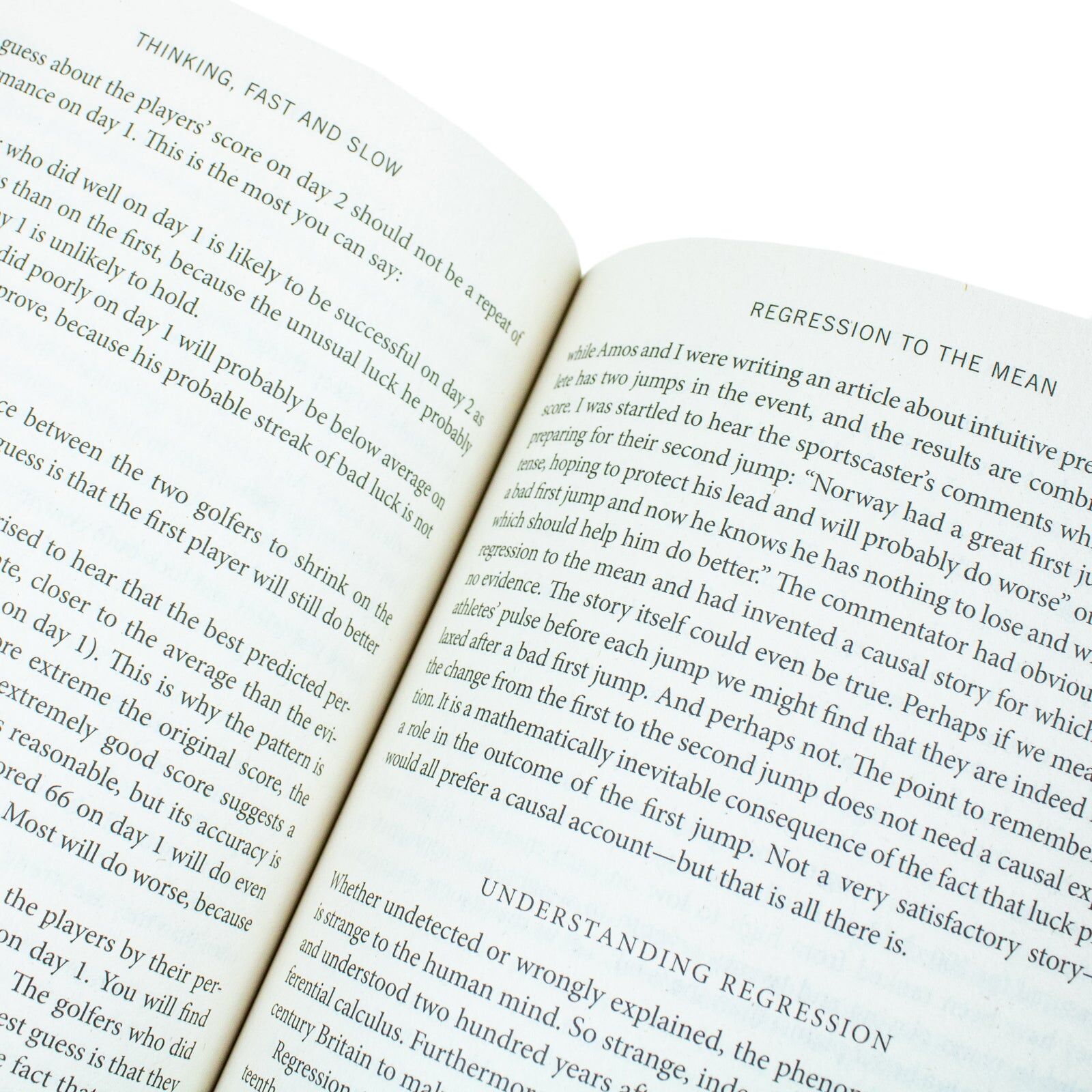
Penguin Thinking, Fast and Slow by Daniel KahnemanWhy is there more chance we'll believe something if it's in a bold type face? Why are judges more likely to deny parole before lunch? Why do we assume a good-looking person will be more competent? The answer lies in the two ways we make choices: fast, intuitive thinking, and slow, rational thinking. This book reveals how our minds are tripped up by error and prejudice (even when we think we are being logical), and gives you practical techniques for slower, smarter thinking. It will enable to you make better decisions at work, at home, and in everything you do.7,99 £*Shipping: 2,99 £Secure redirect to the provider
-
Uplift Picks Kids Math Puzzle Game Logical Thinking Educational Brain Teaser Toy Kids Math Puzzle Game Logical Thinking Educational Brain Teaser ToyMake learning exciting and interactive with this engaging kids math puzzle game designed to boost your childs thinking skills. This fun and challenging logical thinking toy for kids encourages problemsolving through handson play. With numberbased...75,00 $*Shipping: 0,00 $Secure redirect to the provider
-
Smash Up: What Were We Thinking - Card Game Expansion for 2-4 Players, Ages 10+, by Alderac Entertainment GroupSmash Up: What Were We Thinking is an expansion for the Smash Up card game, bringing together an eclectic selection of factions for fresh combinations and unpredictable gameplay. Choose factions, shuffle their cards together and compete to capture bases before your opponents. Each faction introduces its own style of play, allowing players to experiment with different pairings and strategies across repeated games. This expansion features a varied selection of factions designed for combining and capturing bases. It's suitable for players familiar with the Smash Up game system. The product comes in a compact retail box, perfect for tabletop game collections. This is a physical tabletop game expansion, not a digital format.18,79 £*Shipping: 3,95 £Secure redirect to the provider


-
What is the definition of hypothetico-deductive thinking and deductive thinking?
Hypothetico-deductive thinking is a scientific method that involves formulating a hypothesis and then testing it through observation and experimentation to reach a conclusion. It is a process of making educated guesses and then systematically testing them to determine their validity. Deductive thinking, on the other hand, is a logical process where conclusions are drawn based on a set of premises or assumptions. It involves reasoning from general principles to specific instances to reach a logical conclusion. **
-
What other types of thinking exist besides spatial and visual thinking?
Besides spatial and visual thinking, other types of thinking include analytical thinking, which involves breaking down complex problems into smaller, more manageable parts; critical thinking, which involves evaluating and analyzing information in a logical and systematic way; and creative thinking, which involves generating new and innovative ideas and solutions. Additionally, there is also abstract thinking, which involves understanding and conceptualizing ideas that are not necessarily tied to concrete objects or experiences. These different types of thinking can be used in combination to approach problems and tasks from various angles and perspectives. **
-
Is thinking too exhausting?
Thinking can be exhausting depending on the intensity and duration of the mental activity. Engaging in deep, complex, or prolonged thinking can drain mental energy and lead to fatigue. However, moderate and balanced thinking is essential for problem-solving, decision-making, and creativity. It is important to take breaks, practice mindfulness, and engage in activities that promote relaxation to prevent mental exhaustion. **
-
What is he thinking?
It is difficult to determine exactly what someone is thinking without more context or information. People's thoughts are complex and can be influenced by various factors such as their emotions, experiences, and beliefs. It is important to communicate openly and honestly with others to gain a better understanding of their thoughts and feelings. **

What is Buddhist thinking?
Buddhist thinking is a philosophical and spiritual tradition that originated in ancient India and is based on the teachings of Siddhartha Gautama, also known as the Buddha. Central to Buddhist thinking is the belief in the Four Noble Truths, which outline the nature of suffering and the path to its cessation. Buddhists also emphasize the practice of mindfulness, compassion, and non-attachment as a means to achieve enlightenment and liberation from the cycle of birth and death. Overall, Buddhist thinking encourages self-awareness, ethical conduct, and the cultivation of wisdom to attain inner peace and ultimate freedom from suffering. **
What is logical thinking?
Logical thinking is the process of using reasoning and critical thinking to make sense of information, draw conclusions, and solve problems. It involves analyzing situations, identifying patterns, and making connections based on evidence and sound reasoning. Logical thinking helps individuals make informed decisions, evaluate arguments, and approach problems in a systematic and rational way. It is an essential skill in various aspects of life, including academics, work, and everyday decision-making. **
Top-Angebote
Products related to Thinking:
-
Omniscient Card Game - Designed for 2 to 8 players, Ages 10+, Quick Thinking and Creativity Card Game by Topi GamesGet ready for a quick and imaginative card game with Omniscient. Designed for 2 to 8 players, this fast-paced game encourages quick thinking and creativity. Players take on challenges that can be played either aloud or in writing, making it easy to choose a play mode that suits your group. With an approximate playing time of 15 minutes, Omniscient is perfect for a short games session, family games night, or a lively gathering with friends. The game includes both oral and written challenge modes, and its simple, energetic play makes it a great choice for groups looking for a compact and engaging card-game experience.11,29 £*Shipping: 3,95 £Secure redirect to the provider
-
Inspire Select Interactive Training Card Set Observation, Logic & Thinking Skill Development Puzzle Cards For Kids intermediateIntroduction Help young minds develop stronger focus, reasoning, and creativity with this engaging training card set designed for handson learning. Each card features fun, interactive challenges that build observation, memory, and problemsolving...40,98 $*Shipping: 0,00 $Secure redirect to the provider
-
Penguin Thinking, Fast and Slow by Daniel KahnemanWhy is there more chance we'll believe something if it's in a bold type face? Why are judges more likely to deny parole before lunch? Why do we assume a good-looking person will be more competent? The answer lies in the two ways we make choices: fast, intuitive thinking, and slow, rational thinking. This book reveals how our minds are tripped up by error and prejudice (even when we think we are being logical), and gives you practical techniques for slower, smarter thinking. It will enable to you make better decisions at work, at home, and in everything you do.7,99 £*Shipping: 2,99 £Secure redirect to the provider
-
Is this still politics, instead of logical thinking emotional thinking?
While emotions can play a role in politics, it is ultimately a field that requires a balance of logical thinking and emotional intelligence. Political decisions are often based on a combination of facts, values, and public opinion, making it necessary to consider both rational arguments and emotional responses. Therefore, it is important for politicians and citizens alike to engage in critical thinking and thoughtful analysis when navigating political issues. **
-
What is the definition of hypothetical-deductive thinking and deductive thinking?
Hypothetical-deductive thinking is a problem-solving approach that involves creating a hypothesis or educated guess about a situation and then testing it through deductive reasoning. Deductive thinking, on the other hand, is a logical process where one starts with a general statement or hypothesis and then examines the possibilities to reach a specific, logical conclusion. In essence, hypothetical-deductive thinking combines the generation of hypotheses with deductive reasoning to arrive at a solution, while deductive thinking focuses solely on drawing specific conclusions from general principles. **
-
What is the definition of hypothetico-deductive thinking and deductive thinking?
Hypothetico-deductive thinking is a scientific method that involves formulating a hypothesis and then testing it through observation and experimentation to reach a conclusion. It is a process of making educated guesses and then systematically testing them to determine their validity. Deductive thinking, on the other hand, is a logical process where conclusions are drawn based on a set of premises or assumptions. It involves reasoning from general principles to specific instances to reach a logical conclusion. **
-
What other types of thinking exist besides spatial and visual thinking?
Besides spatial and visual thinking, other types of thinking include analytical thinking, which involves breaking down complex problems into smaller, more manageable parts; critical thinking, which involves evaluating and analyzing information in a logical and systematic way; and creative thinking, which involves generating new and innovative ideas and solutions. Additionally, there is also abstract thinking, which involves understanding and conceptualizing ideas that are not necessarily tied to concrete objects or experiences. These different types of thinking can be used in combination to approach problems and tasks from various angles and perspectives. **
Similar search terms for Thinking
-
Uplift Picks Kids Math Puzzle Game Logical Thinking Educational Brain Teaser Toy Kids Math Puzzle Game Logical Thinking Educational Brain Teaser ToyMake learning exciting and interactive with this engaging kids math puzzle game designed to boost your childs thinking skills. This fun and challenging logical thinking toy for kids encourages problemsolving through handson play. With numberbased...75,00 $*Shipping: 0,00 $Secure redirect to the provider
-
Smash Up: What Were We Thinking - Card Game Expansion for 2-4 Players, Ages 10+, by Alderac Entertainment GroupSmash Up: What Were We Thinking is an expansion for the Smash Up card game, bringing together an eclectic selection of factions for fresh combinations and unpredictable gameplay. Choose factions, shuffle their cards together and compete to capture bases before your opponents. Each faction introduces its own style of play, allowing players to experiment with different pairings and strategies across repeated games. This expansion features a varied selection of factions designed for combining and capturing bases. It's suitable for players familiar with the Smash Up game system. The product comes in a compact retail box, perfect for tabletop game collections. This is a physical tabletop game expansion, not a digital format.18,79 £*Shipping: 3,95 £Secure redirect to the provider
-
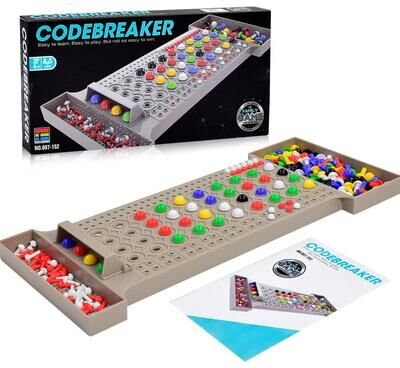
Multisell Products Hub Children Educational Puzzle Game Logical Thinking, Calculation & Password Cracking Toy Children Educational Puzzle Game Logical Thinking, Calculation & Password Cracking ToyUnlock your child's potential with this Childrens Educational Puzzle Game, designed to foster logical thinking and improve calculation skills. This fun and interactive toy not only promotes intellectual development but also strengthens...34,97 $*Shipping: 0,00 $Secure redirect to the provider
-
Uplift Picks Huarong Road LCD Sliding Puzzle Magnetic Logic Thinking Toy For Kids Huarong Road LCD Sliding Puzzle Magnetic Logic Thinking Toy For KidsChallenge the mind and calm the senses with a Huarong Road puzzle that blends classic logic with modern design. This LCD sliding puzzle invites kids to think critically as they move magnetic blocks to solve increasingly tricky layouts. Compact and...134,50 $*Shipping: 0,00 $Secure redirect to the provider
-
Is thinking too exhausting?
Thinking can be exhausting depending on the intensity and duration of the mental activity. Engaging in deep, complex, or prolonged thinking can drain mental energy and lead to fatigue. However, moderate and balanced thinking is essential for problem-solving, decision-making, and creativity. It is important to take breaks, practice mindfulness, and engage in activities that promote relaxation to prevent mental exhaustion. **
-
What is he thinking?
It is difficult to determine exactly what someone is thinking without more context or information. People's thoughts are complex and can be influenced by various factors such as their emotions, experiences, and beliefs. It is important to communicate openly and honestly with others to gain a better understanding of their thoughts and feelings. **
-
What is Buddhist thinking?
Buddhist thinking is a philosophical and spiritual tradition that originated in ancient India and is based on the teachings of Siddhartha Gautama, also known as the Buddha. Central to Buddhist thinking is the belief in the Four Noble Truths, which outline the nature of suffering and the path to its cessation. Buddhists also emphasize the practice of mindfulness, compassion, and non-attachment as a means to achieve enlightenment and liberation from the cycle of birth and death. Overall, Buddhist thinking encourages self-awareness, ethical conduct, and the cultivation of wisdom to attain inner peace and ultimate freedom from suffering. **
-
What is logical thinking?
Logical thinking is the process of using reasoning and critical thinking to make sense of information, draw conclusions, and solve problems. It involves analyzing situations, identifying patterns, and making connections based on evidence and sound reasoning. Logical thinking helps individuals make informed decisions, evaluate arguments, and approach problems in a systematic and rational way. It is an essential skill in various aspects of life, including academics, work, and everyday decision-making. **
* All prices are inclusive of VAT and, if applicable, plus shipping costs. The offer information is based on the details provided by the respective shop and is updated through automated processes. Real-time updates do not occur, so deviations can occur in individual cases. ** Note: Parts of this content were created by AI.